Introduction
In the previous post I told you how AI is already running my infrastructure: it SSHes in, provisions containers, sets up email and deploys Odoo instances without me touching the console. That post raised a fair question that several directors wrote to me about: "fine, AI runs it, but the infrastructure itself, what exactly is it and where does it live?".
Today we cover the prior step. I'm going to show you what these boxes actually are when you look inside, what options you have for renting them, and where your company's data should live if you run an SME in Spain. No free acronyms, no smoke, with the real prices I'm paying in April 2026 and with GDPR explained the way I explain it to a non-technical client.
S1. What you're seeing when you open Proxmox
When you open Proxmox for the first time you see a list of icons that looks incomprehensible: boxes, screens, cylinders, expanding trees and acronyms like LXC, KVM, LVM or ZFS. Let me translate it for you, because in reality it's only four concepts.
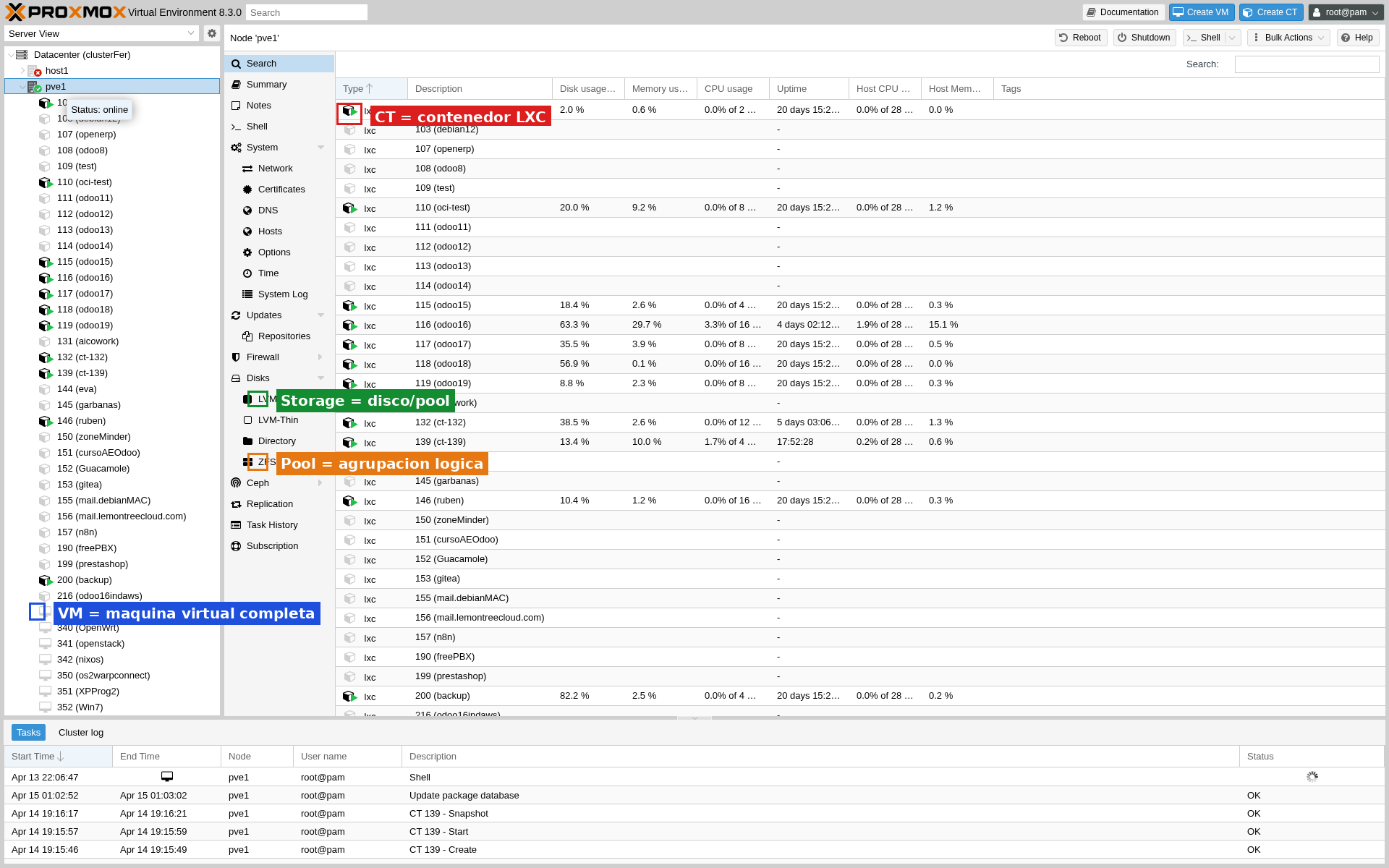
CT (red box): LXC container. Think of it as a shared flat inside a building. Several families live in the same building, they share the structure and the plumbing, and each one has its own walls. On the server, the building is the host's operating system and each CT is a family with its thin walls. It boots very fast and uses very little memory, because it doesn't duplicate the whole building. Almost every service we offer from LemonTree Cloud lives inside these: Odoo, Nextcloud, WordPress, email.
VM (blue box): a full virtual machine. This is a whole flat, with its own structure, its own plumbing and its own facade, built on the same plot. In Proxmox it's called KVM. It has its own kernel, boots a complete operating system and is more isolated than a CT. In exchange it weighs more: more RAM, more disk, longer boot time. We use it when the client needs a Windows box, a dedicated firewall or a system that doesn't get along with containers.
VPS: one of the CTs you see in the screenshot. You share the physical hardware with other tenants, but your space is isolated. It's the most common building block when you rent infrastructure from a provider.
Dedicated: the entire plot is yours. It doesn't appear in the screenshot because it's not virtual, it's the physical machine underneath. No neighbors. Maximum performance and maximum cost.
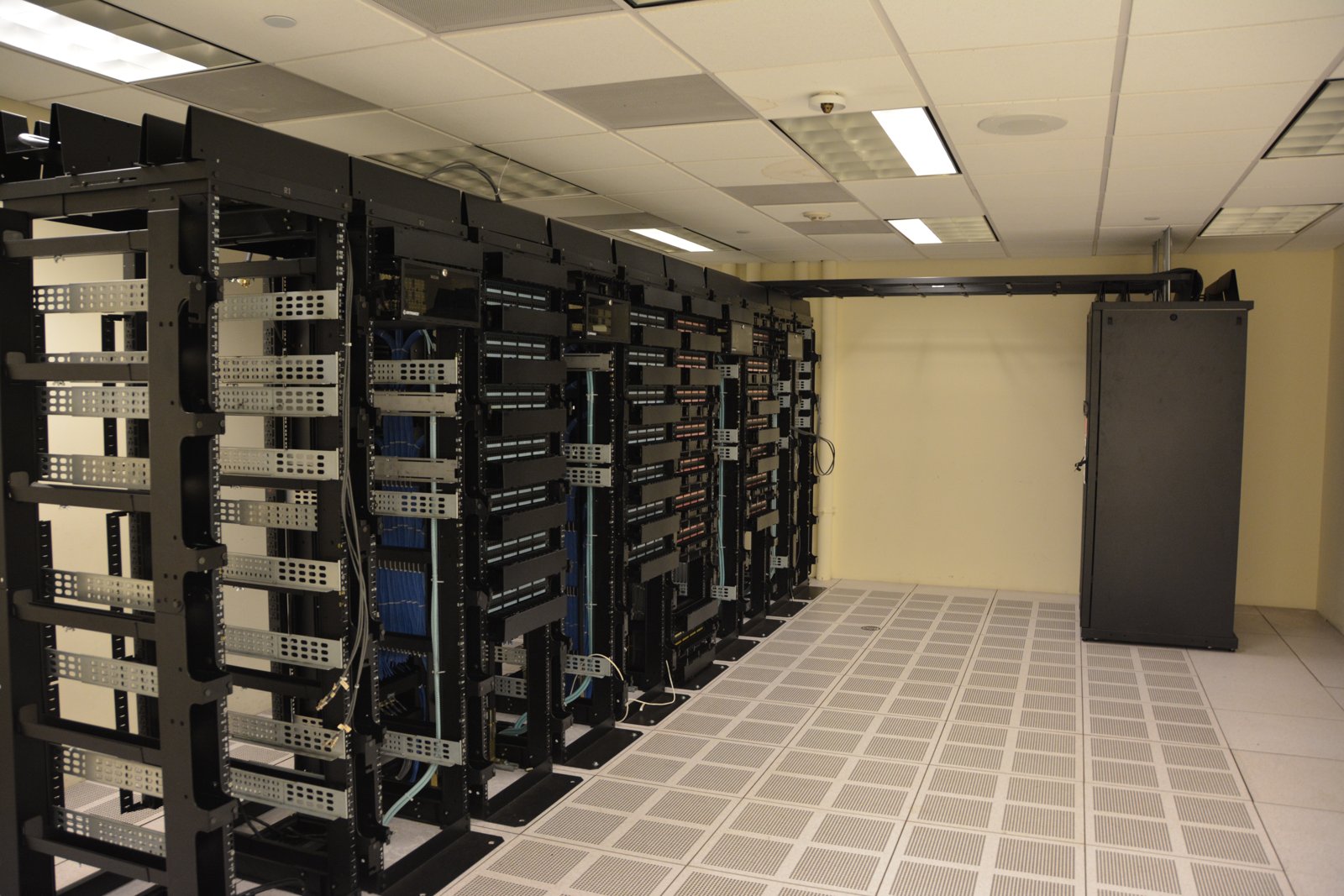
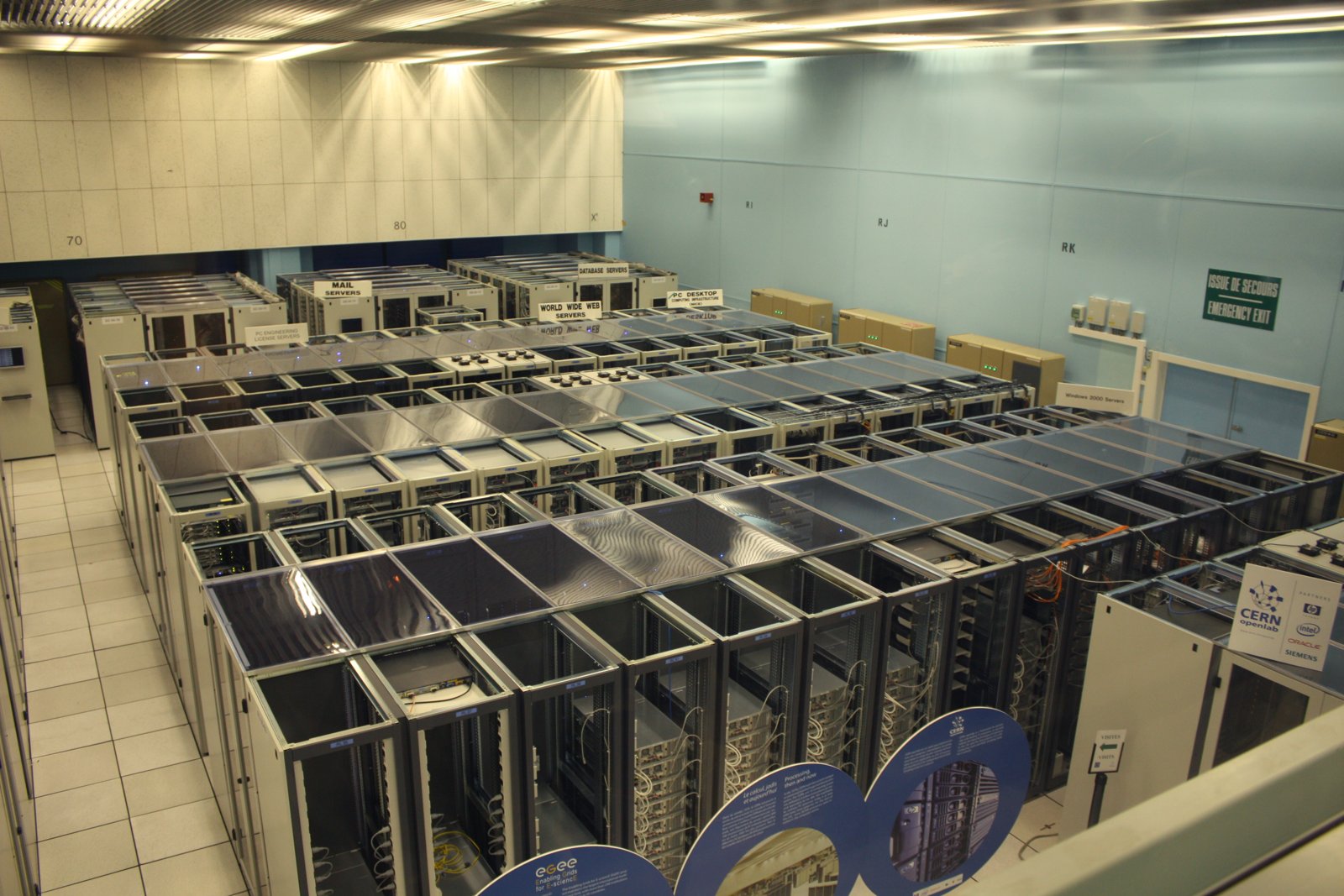
Storage (green box): the storeroom. This is where the hard drives, volumes and backups live. On its own it does nothing: it serves the CTs and the VMs.
Pool (orange box): not exactly a homeowners' association, but you can picture it as the foundations of the building that hold up the data. It groups several disks as a single resource with redundancy. ZFS is the classic example.
The short technical difference: LXC shares the host's kernel, that's why it's light and fast. A VM has its own kernel, that's why it's better isolated but weighs more. A dedicated server doesn't virtualize anything, it's pure physical hardware.
Now that you know what's inside, the real question is where you put it.
S2. VPS, dedicated, cloud: what you pick and why
Once you understand what's inside a server, you have to decide what kind of machine to host it on. The market has three big families, and almost all the commercial confusion comes from mixing them up. I put them in a single table so you can see them side by side.
| Criterion | Shared VPS | Dedicated server | Hyperscaler cloud (AWS/GCP/Azure) |
|---|---|---|---|
| Isolation | Low (you share the host with other clients) | Total (the physical machine is yours) | High but multi-tenant |
| Noisy neighbor | High (spikes from others affect you) | None | Low |
| Predictable cost | Yes, flat monthly fee | Yes, flat monthly fee | No, variable bill by consumption |
| Control | Low (limited resources and kernel) | Total (your hardware and OS) | Medium, with lock-in to proprietary services |
| Running your own AI on top | Limited (scarce RAM/GPU) | Total (you pick CPU, RAM, GPU) | Depends on the service you contract |
| Who it fits | Tests, blogs, small projects | Serious operation with stable load | Unpredictable elastic scaling |
The table boils down to one sentence: VPS is cheap but it limits you, dedicated is predictable and yours, and hyperscaler cloud is flexible but it locks you in and the bill lands on day 1 of the following month in surprise euros.
At LTC Labs we picked a dedicated server for ipve1, our production infrastructure. It's an OVH barebone in France. We picked it for three specific reasons: fixed monthly bill (I know exactly what I'm going to pay), full hardware control (I can run local LLMs, full-disk encryption and whatever else I need without asking a service catalog for permission), and zero lock-in (if tomorrow I decide to migrate to Hetzner or to a Spanish provider, my virtual machines move, there are no proprietary APIs holding me down). For an SME with stable load and the need to sleep easy on billing day, dedicated wins almost every time.
S3. GDPR for executives: where your data should live
Let me tell you something I hear in every meeting: "the law says the data has to be in Spain". False. There is no rule that forces you to physically host the data of Spanish citizens in the EU. What exists is Regulation (EU) 2016/679 (GDPR) and Organic Law 3/2018 on Data Protection and Guarantee of Digital Rights (LOPDGDD). Neither one says "server in Madrid".
What GDPR does require is something else. It applies to the processing of data of people located in the EU, no matter where the server is. If the data leaves the European Economic Area, you need a legal basis: an adequacy decision (article 45), standard contractual clauses (article 46, SCC), binding corporate rules (BCR) or a specific exception under article 49. In addition, article 48 forbids handing over data to authorities of third countries without an international treaty backing it.
Here comes the mess. The Schrems II ruling (CJEU, C-311/18, 16 July 2020) invalidated the Privacy Shield. In July 2023 the Commission adopted the Data Privacy Framework, which restored EU-US adequacy, but Max Schrems is already preparing Schrems III. A framework that works today, fragile tomorrow.
And now the million-euro question: "if I contract AWS Madrid region (eu-south-2, live since November 2022), am I compliant?". Nuanced answer. Technical residency, yes: the data lives in Madrid. But the parent controller is Amazon Web Services Inc., a Delaware company subject to the CLOUD Act (Clarifying Lawful Overseas Use of Data Act, 2018), which allows the US government to demand data from US providers even when it's hosted outside the US. That rule clashes head-on with article 48 GDPR. Conclusion: AWS Madrid gives you technical residency, it doesn't free you from paperwork (DPIA, SCC, case-by-case analysis). A 100% European provider with no US parent (OVH in France, Hetzner in Germany, Sarenet in Bilbao, which is what I use) removes the ambiguity at the root.
Two facts you must not forget. First, your company is the data controller, not the provider: before the Spanish Data Protection Agency (AEPD) it's you who answers. Second, fines go up to 20 million euros or 4% of global annual revenue, whichever is higher.
Pragmatic recommendation: if you can pick a European provider with no US parent, do it. Less paperwork, less risk, better sleep.
S4. EU providers: what's on the market
At LTC Labs we've reviewed the European market for infrastructure hosted in the EU, looking for real alternatives to the US hyperscalers. The eight providers I list below have their registered office in an EU country and operate data centers on European soil, which places them inside the GDPR perimeter without international transfer agreements. They are the candidates any SME executive should consider before signing with AWS, Azure or Google Cloud.
Comparison table (April 2026)
| Provider | Country / DCs | VPS from | Dedicated from | IPv4 | SLA | Support | Certs. |
|---|---|---|---|---|---|---|---|
| OVHcloud | FR (Roubaix, Gravelines, Strasbourg, Limburg), ES (Madrid), DE, PL, UK, + non-EU | VPS-1: EUR 5.52/month, 4 vCore, 8 GB RAM, 75 GB NVMe, 400 Mb/s | Advance: EUR 89.99/month, up to 576 GB RAM, NVMe/SAS, 3-5 Gb/s | 1 included | 99.95% (dedicated) | ES/EN/FR, 24/7, ticket/phone | ISO 27001, ISO 27701, ENS (verify level), HDS |
| Hetzner | DE (Falkenstein, Nuremberg), FI (Helsinki), + non-EU (US, SG) | CX22: EUR 3.79/month (1), 2 vCPU, 4 GB, 40 GB SSD, 20 TB | AX42: EUR 46.00/month + EUR 39.00 setup, Ryzen 7 PRO 8700GE, 64 GB DDR5 ECC, 2x512 GB NVMe | 1 included (IPv6 free, IPv4 with extra cost in cloud) | 99.9% (verify penalties) | EN/DE, 24/7 technical | ISO 27001 |
| Comvive Servidores SLU | ES (Seville) | VPS Basico: EUR 50.00/month, 1 vCPU, 2 GB RAM, 50 GB SSD, 1,500 GB traffic | Server Inicio: EUR 135.00/month, Intel X3440, 8 GB RAM, 240 GB SSD + 1 TB HDD, 25 TB traffic | 3 included (dedicated); not published for VPS | % not published on website | ES, hours not published | ISO 27001, ENS |
| Sarenet | ES (Bilbao, DCs in Spain) | Custom virtual machines, by quote (tariff not published) | Custom dedicated infrastructure, by quote | To be configured | Custom SLA (negotiated) | ES, 24/7 | Not published in web catalog (consult) |
| Clouding.io | ES (Barcelona, Tier III/IV depending on source, verify) | from EUR 3.00/month, 0.5 vCore, 1 GB RAM, 5 GB NVMe, 4 TB traffic | Does not offer public bare-metal dedicated | 1 static IPv4 included | 99.95% (downtime credit) | ES/EN, 24/7 | ISO 27001 |
| Stackscale (Grupo Aire) | ES (Madrid MAD2/MAD3/MAD4), NL (Amsterdam) | NODE 128 M: EUR 395.00/month, Xeon Silver 4214R 12c, 128 GiB RAM, 2x1 TB SSD | Bare-metal under configuration (verify base price) | Included, amounts to be configured | 99.99% | ES/EN, 24/7 365 | ISO 27001, ENS, ISO 22301 (verify scope) |
| Dinahosting | ES (Madrid: Aire Networks, Global Switch) | VPS II: EUR 35.91/month, 2 vCPU, 8 GB RAM, 170 GB NVMe (2) | from EUR 119.69/month, Intel/Dell/Lenovo, NVMe | 1 included | verify exact % | ES/EN, 24/7 | ISO 27001 (verify scope) |
| Arsys | ES + DE + UK + US (11 Tier III DCs) | Published base plan "up to 8 vCPU/16 GB/480 GB NVMe", verify exact price | Broad catalog, verify exact base price | 1 included | 99.98% | ES, 24/7 | ISO 27001, ISO 9001, ISO 50001, ENS |
Footnotes: (1) Hetzner adjusted tariffs on 1 April 2026; verify post-adjustment price. (2) Dinahosting VPS Lite has a lower tariff (from EUR 34.20/month published on the home page); the VPS II plan is the first managed tier.
Who each one is for
OVHcloud. Ideal for technical SMEs that want a broad catalog (VPS, bare-metal, public cloud, object storage, managed Kubernetes) without leaving the EU. A good option when you need several integrated services with a single invoice.
Hetzner. The best raw price/performance ratio in Europe for those who know how to run their own Linux. Excellent for development environments, compute workloads and self-managed stacks where guided support isn't a priority.
Comvive. A Seville-based provider with a published VPS catalog (from EUR 50/month, VAT not included) and five dedicated tiers in Spain, with Spanish-language service and Spanish invoicing. Suitable when you want a transparent flat fee, accessible dedicated hardware and a local counterparty with ISO 27001 and ENS certification.
Sarenet. A telco operator from northern Spain with custom cloud services (virtual machines, storage, containers, private datacenter connectivity), strong in corporate environments with SLA and proximity requirements. No tariff published on the website: they work by quote and negotiated SLA, ideal for SMEs that want to combine fiber connectivity, managed cybersecurity and hosting under a single contract.
Clouding.io. Aimed at developers and startups looking for hourly-billed VPS with flexible invoicing and data in Barcelona. Very competitive as a lab or staging environment.
Stackscale (Grupo Aire). Mid- to high-end dedicated bare-metal private cloud, with DCs in Madrid and Amsterdam. For SMEs that need total isolation, ENS and dedicated infrastructure under OPEX.
Dinahosting. A veteran Galician provider covering everything from domain and email to VPS and NVMe dedicated in Madrid. Ideal when you're looking for a full stack in Spanish with simple invoicing.
Arsys. A historical Spanish player (30 years) with ENS and a broad cloud catalog. Fits well in organizations that value track record, Spanish-language phone support and multiple certifications.
Why LTC Labs uses OVHcloud
At LTC Labs we picked OVHcloud as the base of our production infrastructure (ipve1 is an OVH barebone in France). The decision isn't about raw price, Hetzner wins there hands down and I'll admit it, but about the combination of three factors: one, full control over dedicated hardware with redundant network and plenty of IPv4 addresses (16 or 32 extra with no drama); two, location in France inside the EEA, with the legal peace of mind that gives us with our Spanish SME clients; and three, a mature ecosystem (anti-DDoS, private vRack, S3-compatible Object Storage, Managed Kubernetes) that lets us scale without changing providers. Hetzner competes hard on price and raw performance, but OVH wins on catalog and additional services when the load grows.
Next step
If you've made it this far, you have the essentials: you know what a CT, a VM and a dedicated server are, you know why to pick one family over another, you know what GDPR actually requires and you have eight European providers on the table.
What's missing is the piece that turns that infrastructure into something useful: the deployment engine. Because having an empty dedicated server doesn't give you an Odoo; you're missing Docker, Postgres, nginx, OCA, translations, SSL certificates. In the next post I'll show you oci_management, the module that automates all of that from a form.